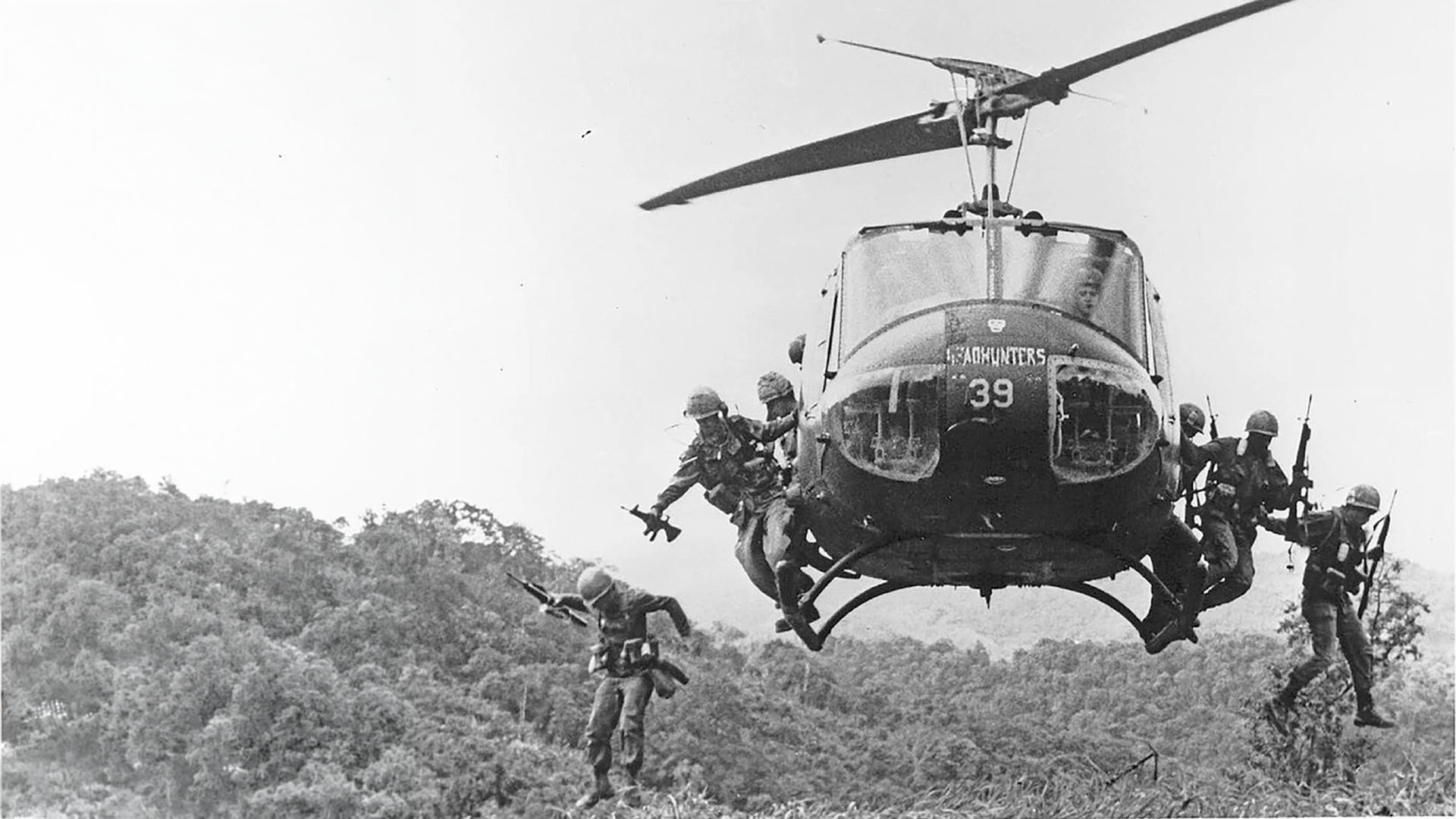
A companion guide to See the Light, Kiss the Ground, a docu-novel of the Vietnam War.
PREFACE
Why a docu-novel
“The more divided a nation is over a war, the more difficult making peace can be for its warriors.”
This book straddles two paths, providing a non-traditional blend of non-fiction and fiction.
Most of the story follows a protagonist and his comrades in arms who serve in an infantry battalion during 1970. While the actions described are largely based on real events, those events are embellished and the characters are scrambled. It is historical fiction.
Events during the fiction track occur on distinct dates. The parallel non-fiction track covers real events that occurred elsewhere on some of the same dates.
Those readers who were around during 1970 may recall President Nixon’s two-month invasion across South Vietnam’s border into Cambodia (the price paid: 523 deaths). They might remember the growing anti-war protests, massively amped up by the massacre at Kent State. They might recall the trial of Lt. William Calley over the My Lai massacre.
Those and many other events provide meaningful background, context and contrast to our warriors’ daily slogs through the jungles where they sniffed out booby traps and ambushes, swatted mosquitoes and burned off leeches.
TRACKS
Elsewhere that day
Every chapter of the history track opens with those three words. While a platoon humped a ridgeline in Quang Ngai province, Lt. Calley went on trial for My Lai; the National Guard fired on students at Kent State; Muhammad Ali fought his first bout under his own name after three years of exile. The book sets them on the same dates, one against the other. This exhibit lets you walk the year.
{{ t.title }}
{{ t.blurb }}
OF THE GRUNTS
The glossary
{{ glossaryCount }} entries of war lingo, acronyms, weapons and terminology, written for readers who weren't there. Klick. Hootch. Shake-and-bake. Willie Pete. Free to read, search, and keep open beside the book — or the audiobook.
{{ entry.short }}
To those who walked point for their comrades in arms, to those medics who stopped the bleeding that so many might survive, and to the helicopter pilots who courageously dropped us in and pulled us home. Your bravery back then was always appreciated to the max by those you all helped when we were all fighting to survive “across the pond.”
To all those who served during the war, especially to those who served in Vietnam, and particularly to those who experienced combat. My hat is off to you. And my heart still goes out to you.
To the 58,000+ who died and whom hundreds of thousands of loved ones knew, lost, mourned and missed.
To James L. Turner, Corporal with the 1st Marines Recon Battalion, 1st Marines Division, who died on April 26, 1968, at the height of the Vietnam war, and who was the first good friend I knew to die in the war.
“There is many a boy here today who looks on war as all glory, but, boys, it is all hell. War is at best barbarism. Its glory is all moonshine.”
The ache of guilt and the search for wisdom
Moral injury rarely arrives when expected. It comes quietly, years after the war ends, in moments of reflection after the world has long moved on. War doesn't end when the shooting stops.
Philosopher and WWII veteran J. Glenn Gray described three forms of guilt — legal, moral, and existential. Legal guilt is clearest, and torments veterans least. More haunting are the things done within legal boundaries: acts permitted, even praised, under orders.
Moral guilt surfaces in silence — for surviving when others didn't, for hardening to suffering, for standing by. Often it is not about what he did, but what he failed to do. The guilt of inaction lingers longest.
Gray saw a paradox: he most feared the man who felt no guilt. Faced honestly, he believed, moral injury could lead not to destruction but to wisdom — a wisdom that does not erase it, but transforms it.
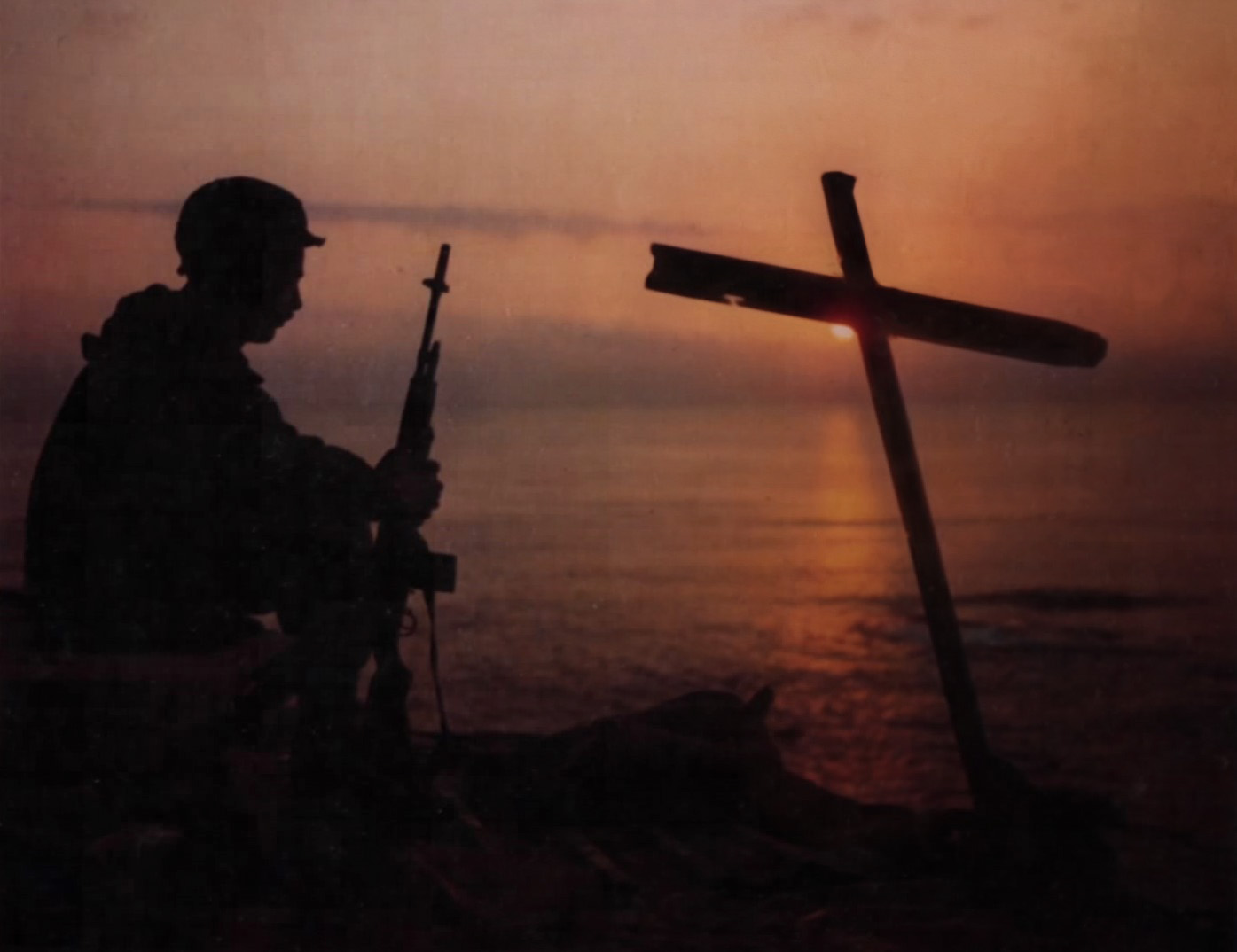
The Coming Home Haunted Foundation, based in Colorado Springs, provides a safe space for veterans to reflect on and learn from painful combat experience — aiming to help vets transform moral injury into life-long wisdom. The book's first and last chapters present the briefings and debriefings that should have been available to arriving and returning vets, and weren't.
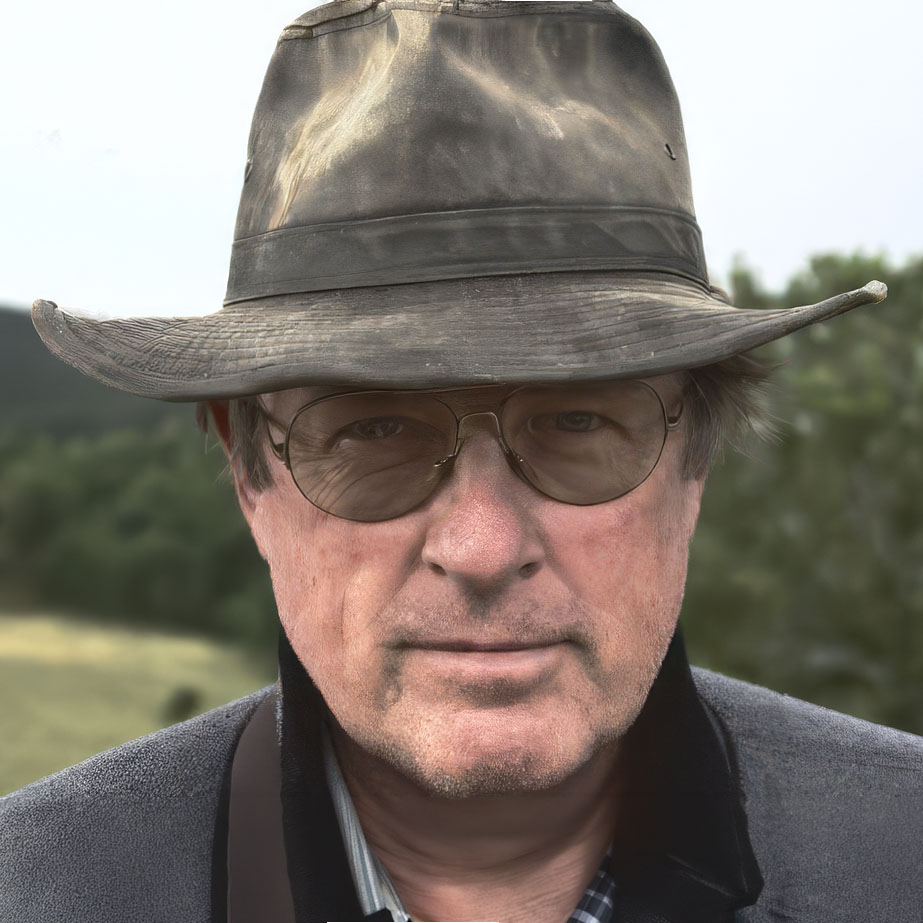
Steve Andrews
Born in 1947 and a graduate of Colorado College, drafted by the US Army in early 1969. He served in Vietnam as an infantryman with the 4th Battalion, 3rd Regiment, 11th Brigade of the Americal Division — Purple Heart, Combat Infantryman's Badge, Bronze Star for valor.
San Juan Hill was a real forward firebase on an 800-meter hilltop in southern Quang Ngai province, now covered over with grass. He served there during the year the war-story track describes.
He lives in rural Colorado and remains happily married to Becky after 50-ish years.
When I returned from the war, I burned to write a book. My raw material included 41 astonishingly candid letters sent from the war zone, plus 65 pages of post-war event write-ups typed within months of my return.
The notion of blending actual historical background — actions by the politicians, bureaucrats and generals who lead the ongoing war — with stories of those fighting it in the boonies, frames their world in a different way.
Nine years later, here it is. I'm uncertain if I achieved my original objective. You are invited to decide and let me know just how close I came.
& AUDIOBOOK
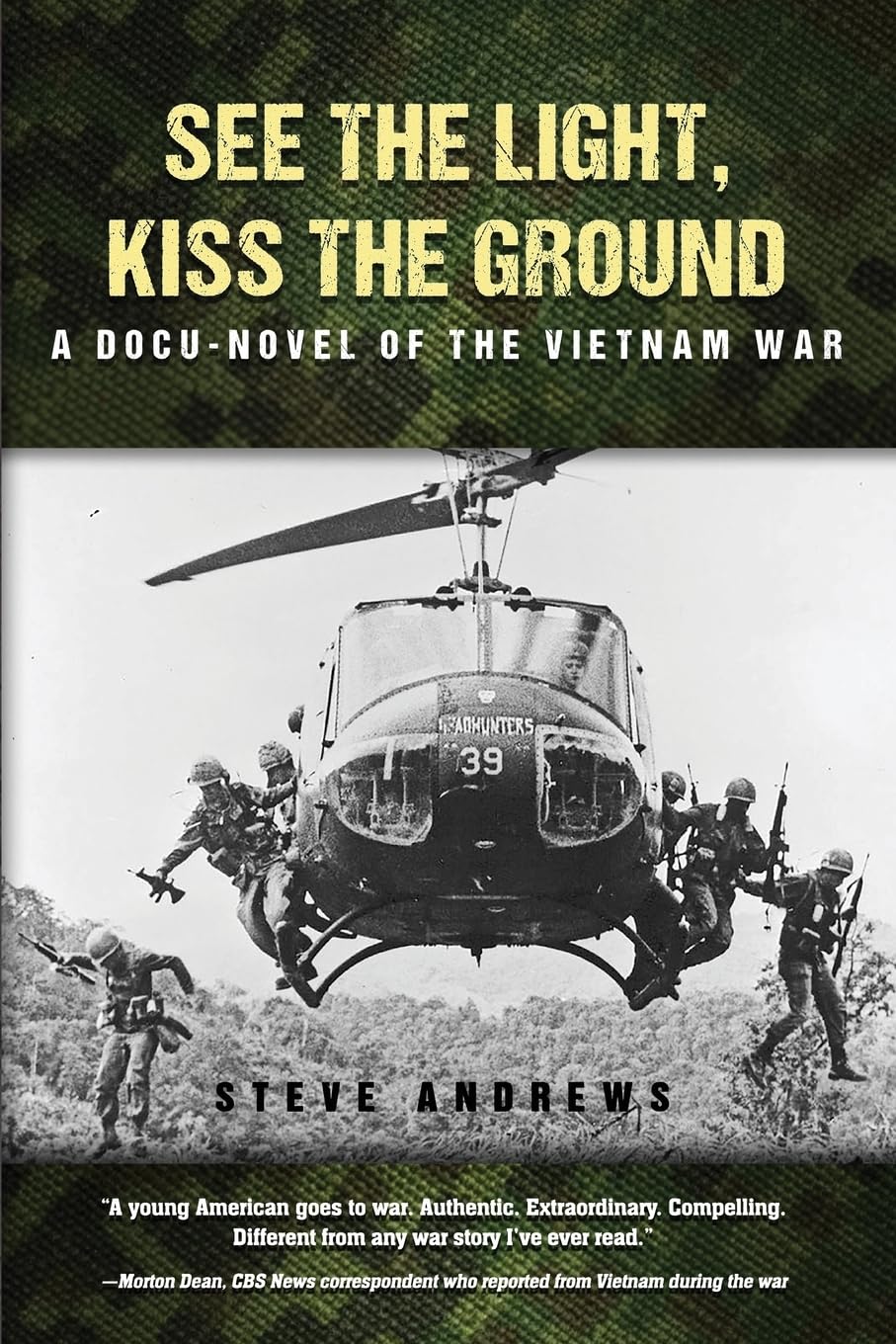
See the Light, Kiss the Ground
Nine years in the writing, built from 41 letters home, 65 pages of post-war notes, and the battalion's own daily logs. Eight hundred pages of 1970, told on two tracks at once.